In 2026, we carried out 190 planned maintenance visits and 120 fault responses at 37 sites
As DBE Energy, we carried out 190 planned maintenance visits at 37 sites and managed 120 fault records throughout 2026 at the solar power plants where we provide operation and maintenance services. This picture shows both the preventive and the corrective side of the work we did in the field during the year.
The value of a solar power plant is not complete on the day it is commissioned; for a facility to generate as planned for years, regular checks and timely intervention are essential. In this article, we share the year's maintenance data, the scope of our checklist, the provinces we worked in and the trends that stand out in the fault records.
The annual picture of planned maintenance
Of the planned maintenance visits, 167 were carried out on a monthly cycle and 23 on a quarterly cycle. Planned maintenance aims to review the condition of equipment at set intervals without waiting for a fault to occur. The goal of this approach is to spot minor deterioration before it turns into lost generation and make the necessary correction at a convenient time.
Using different maintenance cycles together is based on the idea that not every check item needs to be inspected at the same frequency. In common industry practice, equipment and site conditions that can change quickly are monitored through more frequent visits, while items requiring more detailed measurement and inspection are addressed at longer intervals. Setting the maintenance cycle according to the plant's needs and the scope of service also helps direct teams' time to where it is needed most.
Another advantage of planned maintenance is that the work can be scheduled in advance. Maintenance days can be shared with plant owners, the necessary materials and equipment can be prepared ahead of time, and site access can be planned. Compared with unexpected interventions, this arrangement creates a more predictable working environment in terms of both occupational safety and efficiency.
A 14-item checklist
At every maintenance visit, a 14-item checklist was applied covering inverters, ADP panels, mounting structures, SCADA sensors, security cameras, panel surfaces, transformers and general site conditions. A standard list helps teams working in different provinces assess the same items using the same method and makes it possible to build comparable records across sites.
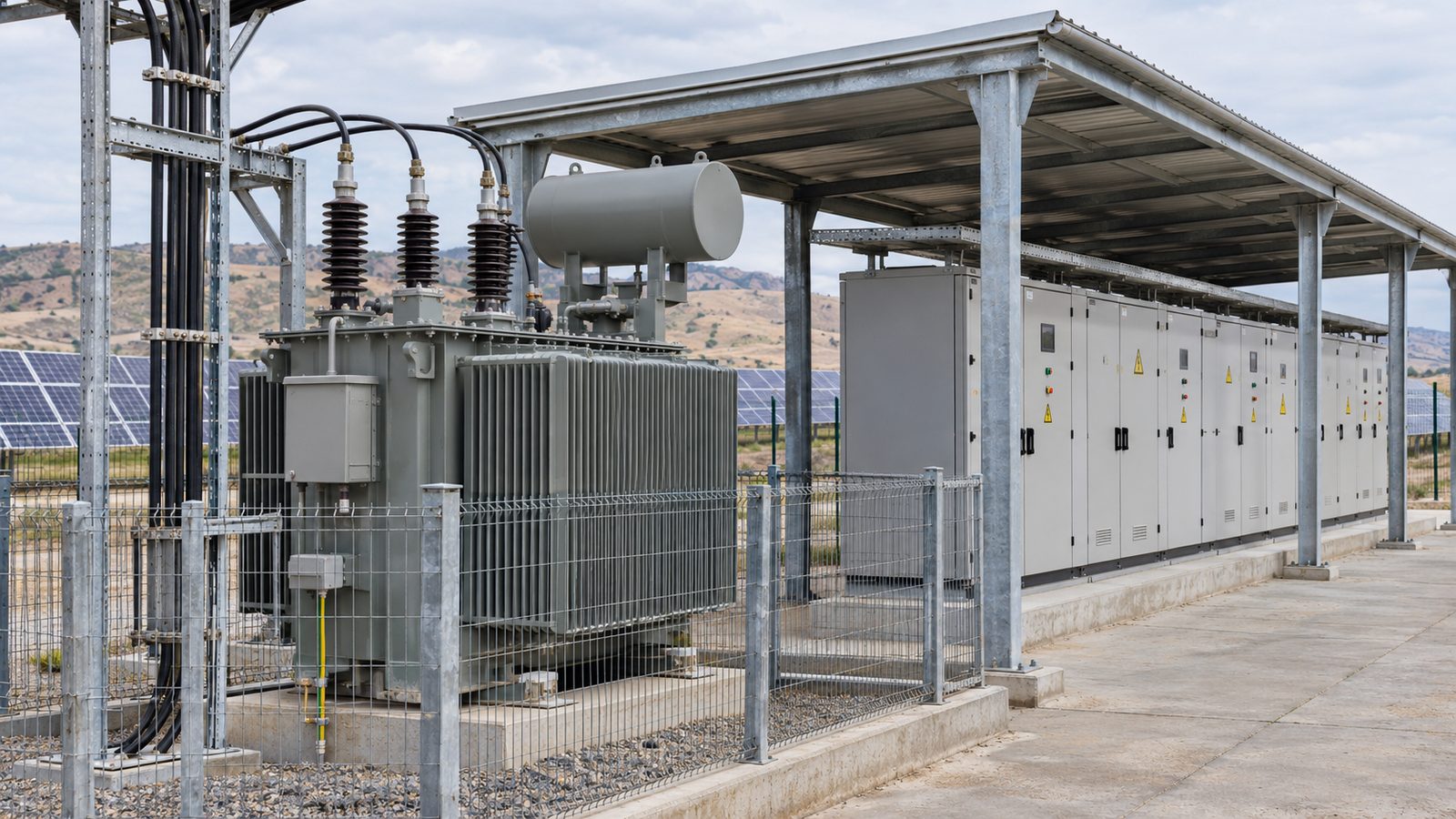
Each item on the list corresponds to a different function of the plant. Inverters convert the direct current produced by the panels into alternating current that can be fed into the grid; their operating status, error logs and cooling conditions are therefore critical for generation. ADP panels and the transformer are part of the chain in which the energy produced is collected and fed into the grid; a problem at connection points or protection devices can take part or all of the plant offline.
Mounting structure checks cover the soundness and connections of the structure that holds the panels; wind, snow load and corrosion that may develop over time are the factors considered under this item. Panel surfaces are inspected for soiling, physical damage and shading. SCADA sensors are the plant's eyes and ears; accurate measurement of values such as irradiation and temperature is a prerequisite for accurately assessing generation performance. While security cameras serve to protect the site, the general site conditions item covers issues that indirectly affect operations, such as perimeter security, access roads, drainage and vegetation.
97 percent of the checklist items were marked as having no issues. This rate paints a positive picture of the overall condition of the sites. The items not marked as issue-free are where planned maintenance creates its real value: a finding detected early can be addressed before it turns into a fault.
Field work in 12 provinces
Maintenance work was carried out at sites in Kırşehir, Diyarbakır, Konya, Malatya, Eskişehir, Burdur, Karaman, Yozgat, Uşak, Balıkesir, Van and Mersin. These provinces span a wide geography extending from Central Anatolia to Eastern and Southeastern Anatolia, and from the Aegean to the Marmara and Mediterranean regions.
Geographic diversity is a factor that directly affects maintenance planning. Snow and frost in regions with harsh winters, dust accumulation in arid and windy regions, and humidity and salty air in coastal areas can have different effects on equipment and surfaces. Even though the same checklist is applied at every site, local conditions can determine which findings appear more often and which items need closer monitoring.
Serving a wide geography also requires logistical planning. Teams' travel time to sites, access to spare parts and materials, and whether weather conditions allow work are items generally taken into account when drawing up the maintenance schedule. The 190 planned maintenance visits completed at 37 sites over the year are what this planning looks like in the field.
Seasonal differences also affect how maintenance work is carried out. While site access and outdoor working conditions can become difficult during periods of snow and icing, high temperatures in the summer months may require additional precautions for both equipment and staff. Since monthly maintenance covers every season throughout the year, it is important for teams to maintain the same inspection standard in different weather conditions.
Equipment that stands out in fault records
The 120 fault records we managed during the year offer a valuable picture of which plant components required more intervention. Among fault records with equipment information entered, inverters ranked first, followed by medium-voltage and transformer equipment, power converters, UPS units and communication infrastructure.
Inverters standing out in fault records is common in the industry. With their power electronics components, cooling systems and software, inverters are among the most complex equipment in a plant and operate under load all day long. Faults in medium-voltage and transformer equipment, on the other hand, can have wide-ranging consequences for generation because of the amount of power they affect.
The presence of UPS units and communication infrastructure on the list is also noteworthy. This equipment does not generate energy directly; however, uninterruptible power supplies help monitoring and control systems keep running during power outages, while communication infrastructure ensures that data from the site reaches the center. A problem in this layer reduces the plant's visibility and can delay the detection of other faults.
Entering equipment information into fault records is the foundation of such assessments. Knowing which equipment group requires intervention and how often provides concrete data for spare parts planning, updating maintenance checklists and technical discussions with equipment manufacturers. Keeping records regularly also makes it possible to compare plants and equipment groups over time.
Reading resolution time correctly
The median resolution time for closed faults was 44 hours. The median is the middle value of a set of values sorted from smallest to largest; in other words, half of the closed faults were resolved in 44 hours or less.
The median offers a more balanced indicator than the average. Some fault interventions can take longer for reasons such as spare parts procurement or the need for support from the equipment manufacturer. While the average is disproportionately affected by these exceptional cases, the median more accurately reflects how long it takes to resolve a typical fault.
Resolution time is not a single step; it is the sum of successive stages, from detecting the fault and the team reaching the site to diagnosing the problem and carrying out the necessary repair. Each of these stages depends on the monitoring infrastructure, the teams' proximity to the site and material readiness working together.
Central monitoring, regional teams
Thanks to the coordination between our central monitoring team and our regional technical teams, we continue to safeguard the generation continuity of the plants. This structure combines the comprehensive view provided by remote monitoring with on-site technical response capacity.
Remote monitoring relies on continuous tracking of generation and equipment data coming from the plants. This makes it possible to notice situations such as deviations from expected generation, an inverter going offline or a loss of communication without going to the site. In such a structure, regional teams head to the site with information from the center and carry out the on-site diagnosis, resolution and recording of the problem.
Planned maintenance and fault response also feed into each other. Equipment groups that stand out in fault records point to the items that need more attention in subsequent maintenance, while findings made during planned maintenance reduce the risk of faults. The records accumulated throughout 2026 are also a resource that helps us better understand the needs of the plants we serve. By combining preventive maintenance with rapid response, we aim to protect the generation plant owners expect from their facilities.