DBE Energy took part in the 2nd Future of Energy and Storage Congress
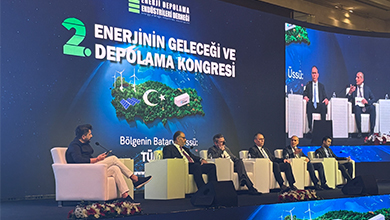
DBE Energy attended the 2nd Future of Energy and Storage Congress, one of the key events of the energy storage sector, and closely followed the latest developments in energy storage technologies and sustainable energy.
Organized by the Energy Storage Industries Association (EDEDER), the congress was an important meeting point where critical topics such as energy storage systems, battery technologies, legislation, the energy ecosystem and sustainable energy solutions were discussed. Held with the participation of representatives from the public sector, the private sector and academia, the event contributed to the sharing of knowledge and experience among sector stakeholders.
The growing importance of energy storage
Energy storage is the general term for technologies that make it possible to store the electricity generated until the moment it is needed. In electricity systems, generation and consumption must be kept in balance at all times; storage systems stand out as one of the key tools that give the grid the flexibility to maintain this balance.
Generation from renewable sources such as solar and wind varies depending on weather conditions and the time of day. While generation can exceed demand at midday when the sun is strongest, solar generation declines in the evening hours when consumption rises. By storing surplus generation and feeding it into the grid during hours of high demand, storage systems enable renewable energy to be integrated into the system more efficiently.
That is why energy storage is seen as a complementary element of the energy transition in markets where renewable capacity is growing. Its wide range of uses, from grid services such as frequency and voltage support to managing consumption peaks, makes storage a strategic topic for different players in the energy ecosystem.
The diversity of storage technologies
Energy storage is not a single technology. One of the methods with the longest track record at grid scale is pumped-storage hydropower, which relies on pumping water from a lower reservoir to a higher one and running it through turbines when needed. While this method offers large capacities, it requires suitable geographic conditions.
Battery-based storage systems, by contrast, stand out for their installation flexibility and fast response times. These systems can be located next to a solar or wind power plant, at a substation or close to a point of consumption, and can respond to sudden changes on the grid within a very short time. These features make batteries a frequently chosen solution for integrating renewable energy and for grid services.
Alternatives such as thermal storage, compressed air energy storage and hydrogen also continue to develop as solutions for different duration and scale needs. Which technology is chosen depends on the duration of the energy to be stored, the facility's location, cost expectations and the needs of the grid.
Topics on the congress agenda
The topics discussed at the congress reflect the need to consider the technical, economic and regulatory dimensions of energy storage together. Storage systems and battery technologies represent the sector's technological infrastructure, while legislation represents the framework that shapes the investment environment; the topics of the energy ecosystem and sustainable energy solutions bring these elements together from a holistic perspective.
As the area that directly determines the cost, lifespan and safety of storage systems, battery technologies are one of the most dynamic topics in the sector. While lithium-ion batteries are widely used in grid-scale applications, work on different chemistries and long-duration storage solutions is also ongoing. Battery management systems, thermal management and fire safety are also integral parts of technological development.
Legislation, meanwhile, forms the framework that determines under what conditions and with which business models storage investments can be realized. In Türkiye, the rules set by the Energy Market Regulatory Authority (EPDK), the regulator of the electricity market, are decisive for investors when it comes to connecting storage facilities to the grid and participating in the market. Discussing legislation on platforms that bring together the public sector, the private sector and academia is therefore important for the healthy development of the sector.
Why an ecosystem approach matters
The concept of the energy ecosystem, one of the topics of the congress, describes a structure in which different players in the energy sector act in an interconnected way. As storage technologies become more widespread, generators, grid operators, technology suppliers, investors, regulators and consumers are building new relationships with each other.
Storage means something different for each of these players. For a renewable energy generator, it can be a tool for offering output to the market at more favorable times; for a grid operator, a source of flexibility that supports system balance; and for large consumers, a solution that helps manage energy costs and security of supply.
This multifaceted structure means that developments in storage must be assessed not from the perspective of a single stakeholder but with the ecosystem as a whole in mind. Building a shared understanding on issues ranging from technical standards to market rules helps investments be realized in a more predictable environment.
DBE Energy's role in the energy storage ecosystem
Throughout the congress, DBE Energy had the opportunity to assess innovative approaches and sector developments in energy storage. The contacts made strengthened the company's position within the energy storage ecosystem and reinforced its strategic perspective on sustainable energy.
Energy storage naturally intersects with areas such as solar power plants and EV charging infrastructure. At solar power plants, storage can make it possible to use the energy generated more flexibly at different times of the day; at high-power charging stations, it can help balance the instantaneous load on the grid connection. Developments in storage are therefore an agenda that companies involved in renewable energy and electric mobility need to follow closely.
By bringing together the public sector, the private sector and academia on the same platform, congresses like this help companies follow sector trends firsthand. For DBE Energy, the congress provided productive ground for assessing developments in the energy storage ecosystem and connecting with sector stakeholders.
Mehmet Taha Pınar moderated the congress's 3rd session
As part of the congress, DBE Holding Chairman of the Board Mehmet Taha Pınar also took part in the 3rd Session of the 2nd Future of Energy and Storage Congress, where for the panel titled “The Energy Ecosystem Transformed by Storage” he served as moderator.
The session took a comprehensive look at the transformative impact of energy storage systems on the energy sector, sustainable energy infrastructure and expectations for the future.
The panel's title reflects a perspective that treats energy storage not just as a technology but as an element that changes how the energy ecosystem works. Storage is seen as a resource that can redefine the relationship between generators, grid operators and consumers and that adds flexibility to when the energy generated is consumed. Sustainable energy infrastructure and expectations for the future are also topics directly linked to questions about how fast and under what conditions this transformation will progress.
Moderating is a role that ensures the topics discussed on a panel are debated within a coherent framework and brings different perspectives together. Taking on this role at the holding level stands out as a sign of the importance attached to the energy storage agenda.
Sustainable energy and a look ahead
By closely following developments in energy storage and sustainable energy, DBE Energy aims to contribute to Türkiye’s energy transition. The company continues to add value to the development of the energy ecosystem by taking an active role in sector events.
The energy transition refers to the shift from generation based on fossil sources to a structure in which renewable sources gain weight. This shift requires new technologies and business models to come into play across all links of generation, transmission, distribution and consumption. Energy storage, electric mobility and digital monitoring infrastructure are among the complementary components of this transformation.
As venues where these components are assessed together and experiences are shared, sector congresses play an important role in the development of the energy ecosystem. By continuing to take part in such platforms, DBE Energy keeps following developments in the sector and shaping its sustainable energy work with this accumulated knowledge.