We commissioned a fast charging station at Sümer Akaryakıt in Keşan, Edirne
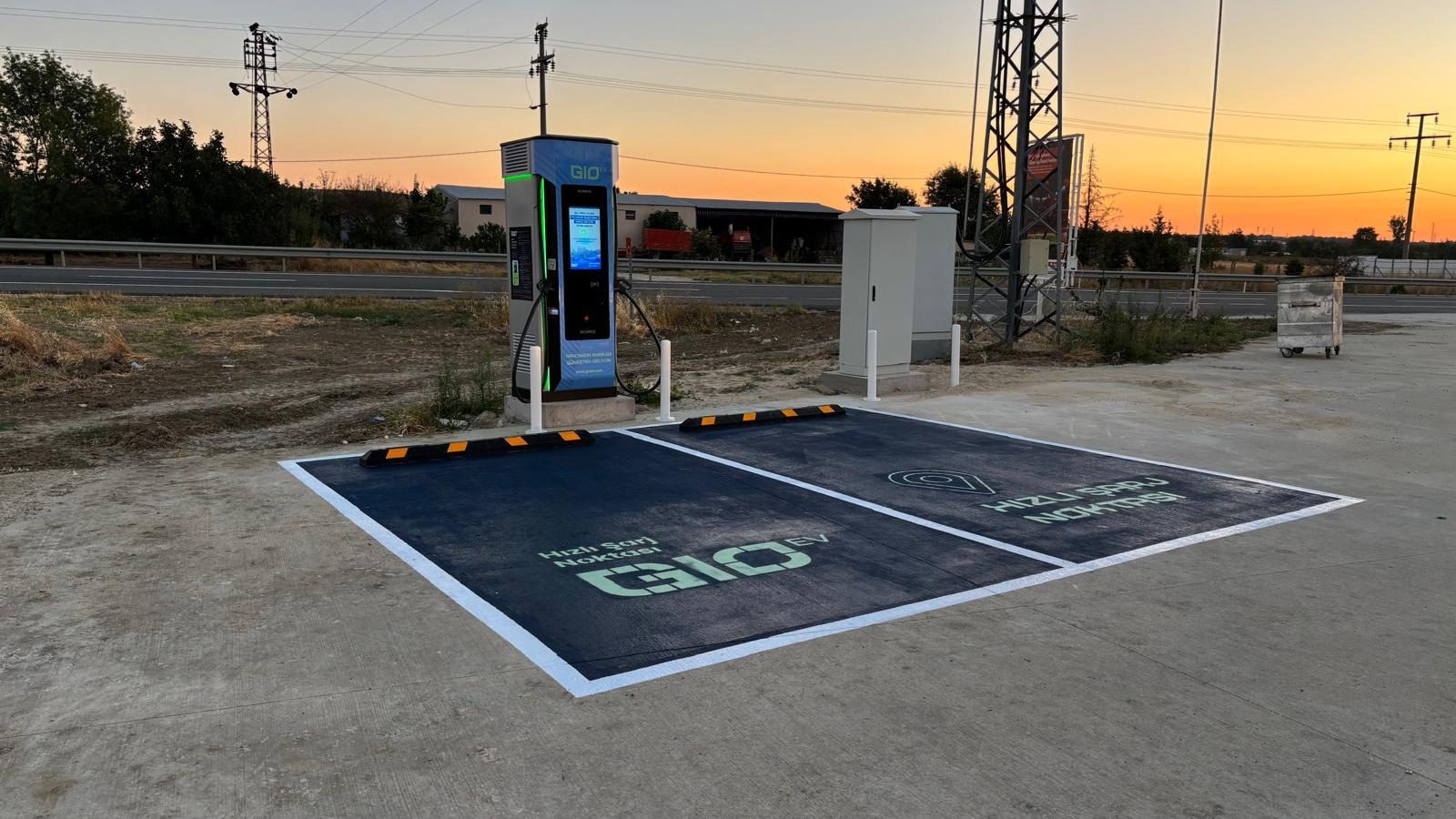
At DBE Energy, we have completed the installation and commissioning of a Siemens SICHARGE D DC fast charging station with 300 kW output power at the Sümer Akaryakıt Petrol Ofisi station in Keşan, Edirne, for the GIO EV charging network.
Located at a fuel station, the new station offers high-power charging to EV drivers passing through Keşan or living in the area. With this investment, the role fuel stations play as rest stops on long journeys now extends to EV users as well. Drivers can use the station via the GIO EV app, while its operation and maintenance are carried out by DBE Energy teams.
Station features
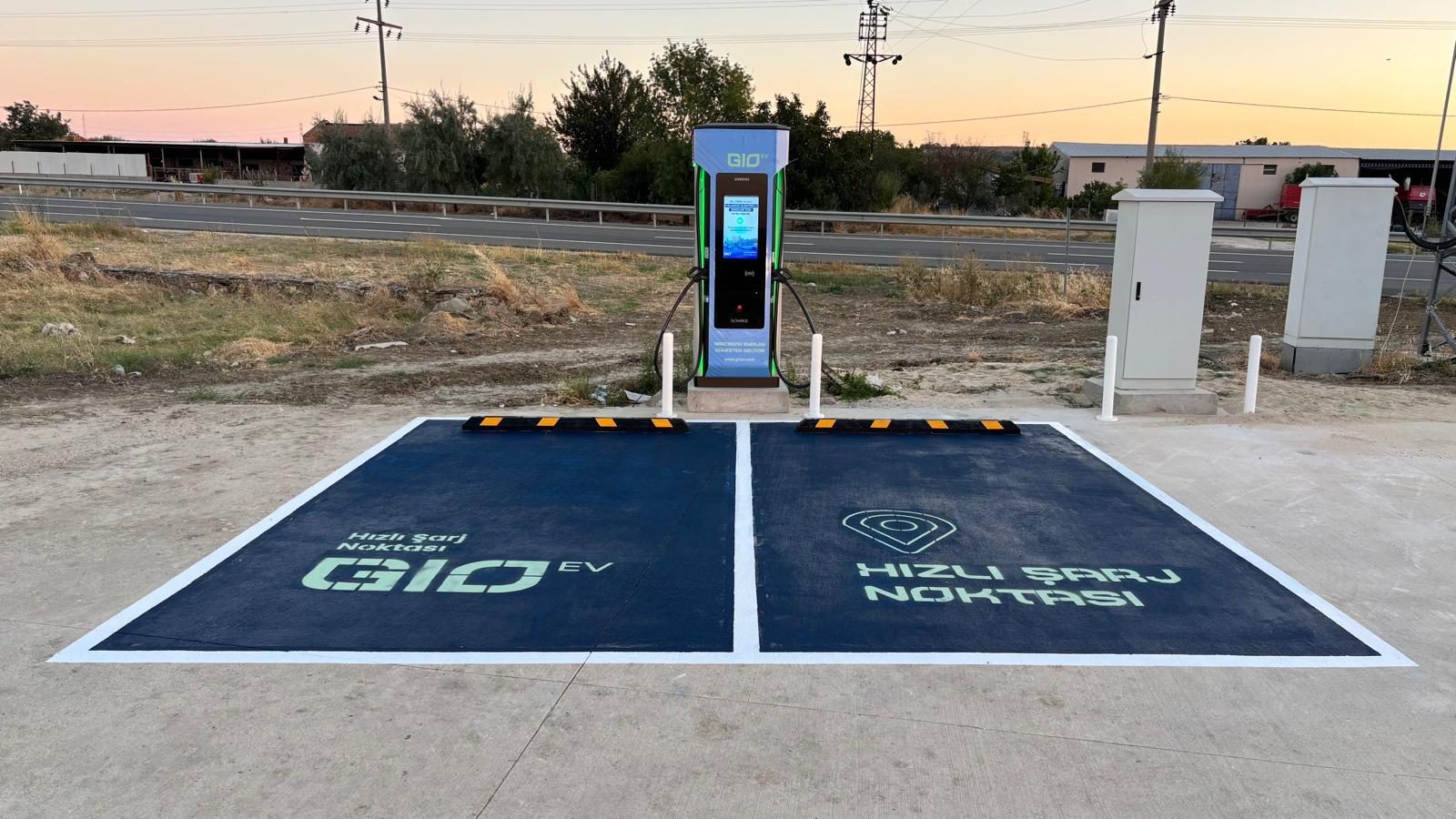
The station has 2 CCS2 tethered charging points.
The 300 kW output power of the Siemens SICHARGE D unit defines the maximum power the station can deliver. The maximum DC charging power each electric vehicle can accept, however, depends on its own technical specifications. As a result, different models connected to the same station may charge at different power levels. High output power enables the station to serve every vehicle in this wide range up to its own limit.
CCS2, short for Combined Charging System, is the charging standard widely used in Europe. In this standard, additional power pins for DC charging are added to the socket design used for AC charging, so the vehicle can receive both AC and DC charging through a single charging inlet. This standard is also widely used for DC charging of electric vehicles in Türkiye.
Tethered charging points offer users an added convenience. In DC charging, the cables carrying high current are permanently attached to the station; the driver simply plugs the connector into the vehicle's charging inlet to start the process and does not need to carry a separate cable.
Charging curve and long-distance trip planning
In electric vehicles, charging speed does not stay constant throughout the session. When the battery is relatively empty, the vehicle accepts high power; as the state of charge rises, the battery management system gradually reduces power to protect the cells. This behavior is called the charging curve, and each vehicle's curve differs according to its battery design.
This shape of the charging curve favors a practical approach on long journeys. Rather than filling the battery completely, drivers may choose to charge within the range where charging speed is high and then continue their trip. A station with high output power makes it possible to take full advantage of the most efficient part of the vehicle's charging curve and shortens the stop.
Battery temperature is another important factor affecting charging speed. In cold weather, the battery may not be able to accept high power until it reaches the right temperature; this is why some vehicles offer features that precondition the battery when approaching a fast charging station. In hot weather, thermal management kicks in on both the vehicle and the station side. These details also explain why drivers see different charging times at the same station in different seasons.
Knowing the charging curve also helps drivers plan their stops more realistically. Arriving at the station at a low state of charge allows the vehicle to stay longer in the range where it accepts high power. By contrast, in a fast charging session started when the battery is almost full, power remains low and the advantage of the station's high output power is felt only to a limited extent.
A charging stop at a fuel station
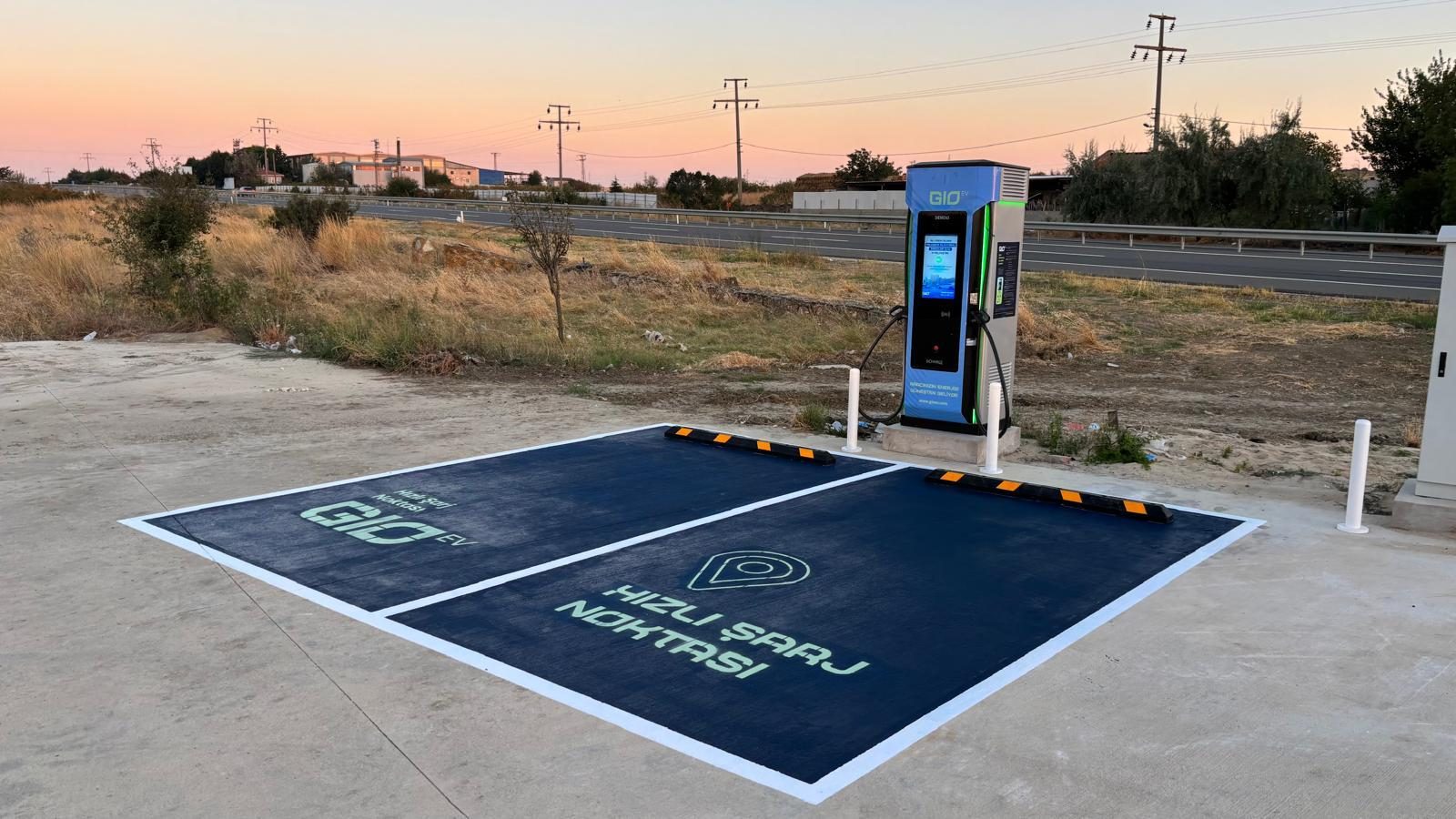
Fuel stations are where drivers stop on long journeys to refuel, rest or take care of their needs. A similar stopping pattern applies to electric vehicles; the difference is that energy is replenished by charging the battery rather than filling a tank. A high-power DC station keeps this stop short, allowing drivers to gain range without disrupting the flow of the journey.
On intercity routes, one of the main concerns of EV users is where the next reliable charging point is. Known as range anxiety, this concern eases as fast charging points become more common at fuel stations. Drivers can plan their routes more comfortably, and taking a long trip by electric vehicle becomes a more ordinary experience.
The layout of the parking area at fast charging stations also directly affects ease of use. Allowing vehicles to pull up to the charging point easily, ensuring the cable reaches the vehicle's charging inlet without strain and separating the charging area from the traffic at the fuel pumps are among the general principles observed at such locations. The station in Keşan likewise creates a new stopping point for EV drivers who live in the area and use the route.
Having charging points at fuel stations also means a wider range of services at the location. Being able to serve both internal combustion and electric vehicles at the same point makes fuel stations a common rest stop for all drivers at a time when different vehicle technologies are used side by side.
A charging session at a fast charging station
For the driver, a charging session at a fast charging station consists of simple steps. The driver parks in the space next to the charging point, plugs the CCS2 connector of the cable permanently attached to the station into the vehicle's charging inlet and starts the session via the GIO EV app. Once charging begins, the vehicle and the station establish communication, and the vehicle's battery management system reports the power it will accept. For safety, the connector stays locked on the vehicle side for the duration of charging.
While charging, the driver can make use of the break. When the target state of charge is reached, the session ends, the connector unlocks and the cable is returned to its place on the station. Moving a fully charged vehicle out of the parking space is an important habit that helps the station become available quickly for the next user.
Because charging times are short at high-power stations, efficient use of the station largely depends on drivers following these simple rules. This way, the same charging point can serve more drivers throughout the day.
Commissioning
Once installation was complete, the station was connected to our central monitoring system on July 9, 2026. The first charging session took place on July 24, 2026.
Bringing a DC fast charging station into service involves a series of successive stages. In the industry, this process generally begins with site preparation and the power connection, and continues with installation of the unit and electrical checks. Verifying protection settings and grounding, configuring communication settings and registering the station with the monitoring infrastructure are among the final steps before it is opened for use.
Connection to the monitoring system is the threshold at which the station becomes part of the network. From that moment on, the unit's operating status can be seen remotely and any potential problem can be detected in time. The first charging session shows that the station has started serving users by delivering energy to an electric vehicle on site. In Keşan, these stages were completed in July 2026, and the station was made available to drivers during the summer.
Operation and maintenance
The station's operation, maintenance and 24/7 remote monitoring are carried out by DBE Energy teams. EV drivers can use the station via the GIO EV app.
For users, GIO EV is the app and charging network through which drivers access the station. Behind the scenes, the station's installation, commissioning, operation and maintenance are carried out by DBE Energy. Thanks to this division of roles, drivers enjoy a simple experience in the app, while the station's technical continuity is tracked by expert teams.
The reliability of a fast charging point on the road is especially important for drivers, because on long journeys they plan their energy around that point. 24/7 remote monitoring ensures that any change in the unit's operating status is seen quickly, while planned maintenance helps the equipment run efficiently for a long time. For high-power DC units, this typically includes regular checks of cooling systems, cables and connectors, electrical connections and software versions.
From the driver's perspective, ease of use matters as much as the station's technical condition. Clear signage, a clean and accessible charging area and smoothly working connectors are among the factors that determine whether a driver wants to come back to the station.