New solar energy investment in Şanlıurfa
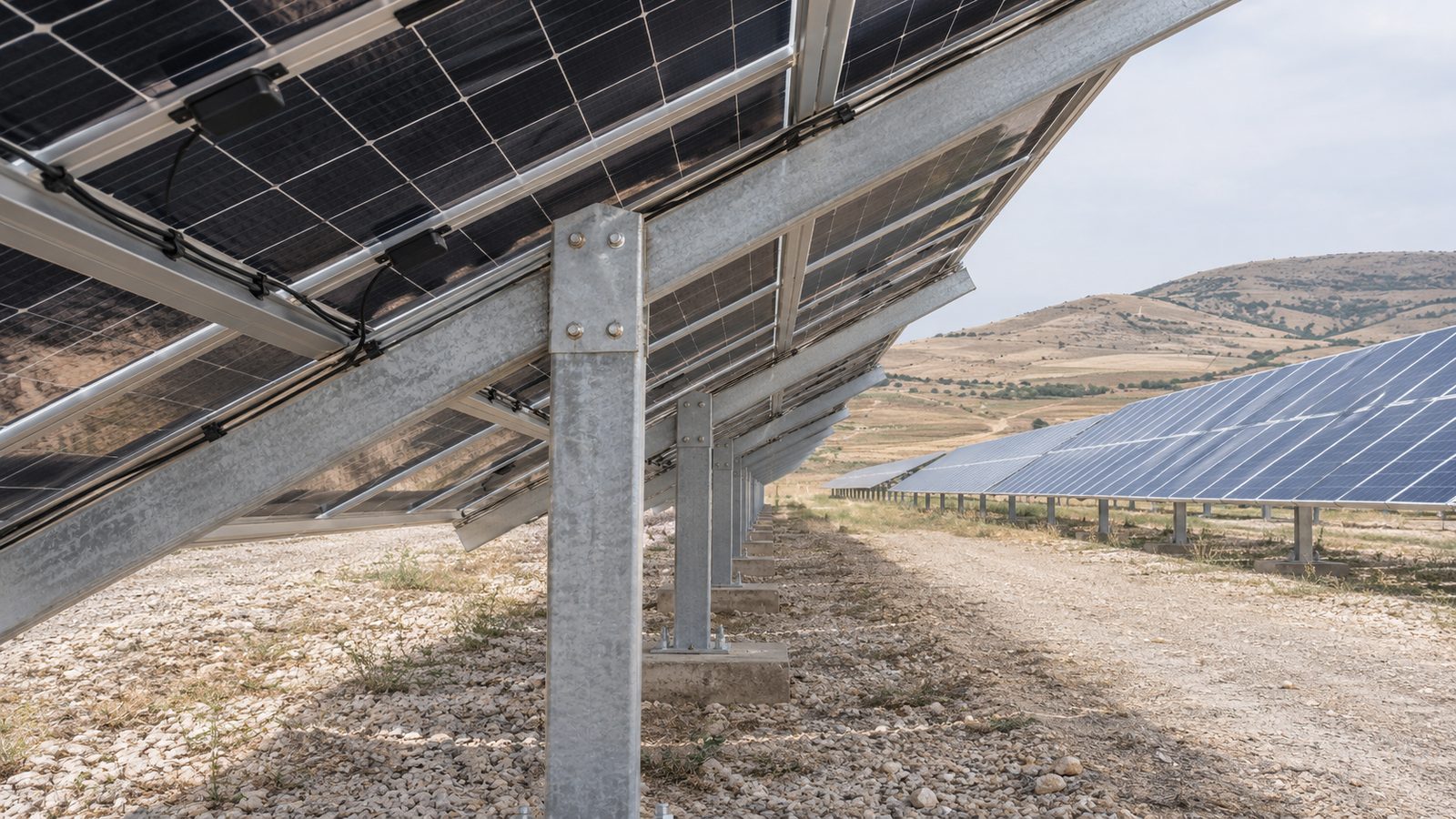
We have reached an important milestone in the Bucaklar Yağ Solar Power Plant project we are carrying out in the Siverek district of Şanlıurfa. With the completion of the energy acceptance processes, the project has moved on to the SPP acceptance stage.
Bringing a solar power plant to life is a process made up of successive stages such as design, procurement, installation, testing and acceptance. Each of these stages forms a separate layer of verification that allows the plant to generate safely and efficiently for many years. The milestone reached at Bucaklar Yağ SPP shows that the on-site installation has cleared an important link in this chain of verification.
Energy acceptance completed
As the energy acceptance processes of the project, which has an installed capacity of 4.5 MW DC and 3.45 MW AC, were completed, applications for the SPP acceptance process were submitted. With this, the project has passed an important threshold on the path from installation to operation.
In solar power plant projects, acceptance processes are the stages at which the facility is inspected to confirm that it has been built in accordance with the approved project and the relevant technical requirements. In general practice, these processes examine the on-site equipment, cabling, protection devices and metering systems, and record the test and measurement results.
Energy acceptance and plant acceptance often proceed as separate steps in projects. At Bucaklar Yağ SPP, submitting the applications for the SPP acceptance process following the completion of energy acceptance shows that the project is also advancing in terms of official procedures. The evaluation that follows the applications constitutes the stage toward the acceptance of the plant as a whole.
What DC and AC installed capacity mean
In solar power plants, installed capacity is usually expressed as separate DC and AC values. DC installed capacity indicates the total nominal power of the photovoltaic panels on site under standard test conditions. AC installed capacity corresponds to the total output capacity of the inverters that convert the direct current generated by the panels into grid-compatible alternating current.
At Bucaklar Yağ SPP, the DC installed capacity of 4.5 MW and AC installed capacity of 3.45 MW show that the panel side has been sized higher than the inverter capacity. This design choice is common in the industry. On site, panels often generate below their rated power due to factors such as temperature, irradiance angle, soiling and cable losses. Planning panel capacity above inverter capacity helps the inverters remain in their efficient operating range for longer during the day.
Determining the right ratio requires an engineering study that jointly evaluates the region's solar profile, panel and inverter specifications, and grid connection conditions. A ratio that is too high can increase the energy clipped at the inverter limit during peak generation at midday, while a ratio that is too low can leave inverter capacity underused.
Key components of a solar power plant
In a solar power plant, energy is generated and delivered to the grid through a chain of interconnected components. Photovoltaic panels convert sunlight into direct current electricity; panels connected in series form strings, and these strings reach the inverters via cables. The energy converted into alternating current in the inverters is stepped up to grid voltage by transformers and fed into the system at the connection point.
Each link in this chain is among the items usually addressed separately in acceptance processes. Panel installation and the soundness of the mounting structure, the correctness of string connections, inverter settings, protection and grounding systems, and metering equipment are examined as indicators that the plant operates safely and correctly.
Metering systems ensure that the energy generated by the plant is recorded accurately. Reliable measurement of generation is a fundamental requirement both for calculating energy sales or self-consumption and for evaluating plant performance.
Siverek and the region's solar potential
Şanlıurfa is among the regions of Türkiye with high sunshine duration and irradiance values. The climate of Southeastern Anatolia offers long sunny periods throughout the year, making the region well suited to solar power investments. Bucaklar Yağ SPP in Siverek is among the projects that benefit from this potential.
While high irradiance is an advantage for generation, it also brings its own requirements for design and operation. Since rising panel temperatures in hot climates can reduce efficiency, details such as ventilation, equipment layout and cable cross-sections become important. Because dust accumulation during dry periods can also reduce the light reaching the panel surface, cleaning and inspection planning is among the determinants of generation performance in such climates.
In regions with high solar exposure, generation rises markedly in the summer months and remains at lower levels in winter. This seasonal distribution is taken into account when calculating the plant's expected annual generation and planning maintenance work; scheduling major maintenance for periods of lower generation can help reduce potential losses.
What acceptance means for investors
For investors, acceptance processes represent the path to confirming through official procedures that the plant is technically ready. Recording the tests and inspections carried out on site also creates a reference for operating the facility in the years that follow. Measurement records kept during installation can be used as a point of comparison in future maintenance and performance evaluations.
Completing the acceptance stages on time also helps make the plant's generation schedule predictable. Since the economic return of a solar power investment depends directly on the energy generated, managing the transition from installation to generation in an orderly way directly affects the investor's planning. An acceptance process that progresses predictably also helps keep financing and revenue planning on a sound footing.
For this reason, project management requires administrative procedures, applications and documentation to be followed carefully and concurrently, just as much as technical work. Submitting the SPP acceptance applications at Bucaklar Yağ SPP following the completion of energy acceptance is part of this follow-up.
Supporting sustainable generation
With our engineering solutions that support renewable energy investments, we continue to help businesses transition to sustainable energy generation. Solar energy gives businesses the opportunity to meet part of their energy needs from a renewable source and to make their energy costs more predictable.
Over its operating life, a solar power plant helps reduce carbon emissions by replacing fossil-fuel-based generation. For businesses that set sustainability targets, this contribution becomes one of the tangible indicators of environmental performance. The growing weight given to environmental criteria in supply chains and access to finance also makes renewable energy investments a strategic topic for businesses.
Every solar power project needs to be addressed in light of its own site conditions, technical requirements and investor expectations. The milestone reached at Bucaklar Yağ SPP shows that our work in Şanlıurfa is progressing on the path from installation to acceptance.
For businesses, the value of a solar power investment is directly related to the plant being technically well designed. Correctly determining installed capacity, selecting equipment suited to site conditions and carrying out acceptance processes in full are among the key conditions for the investment to deliver the expected benefit for many years.
The operating period after acceptance
Once acceptance processes are completed, solar power plants enter an operating period that lasts for many years. During this period, plant performance is usually tracked with remote monitoring systems, and the condition of the equipment is overseen through planned maintenance and periodic inspections. The technical records created during installation also form the basis of the evaluations made during operation.
A significant share of the factors that determine generation performance during operation are actually shaped in the installation and acceptance stages. Correctly made connections, properly selected equipment and fully completed tests lay the groundwork for the plant to operate with fewer faults and higher availability in later years. In this respect, carrying out acceptance processes with care is an investment in the plant's entire operating life.
Remote monitoring data also makes it possible to closely track the plant's behavior in the first period after acceptance. Thanks to this monitoring, early equipment failures or adjustment needs that may arise at the start of operation can be detected quickly, and the plant settles into a stable generation pattern faster.