The future of renewable energy at SolarEX 2026
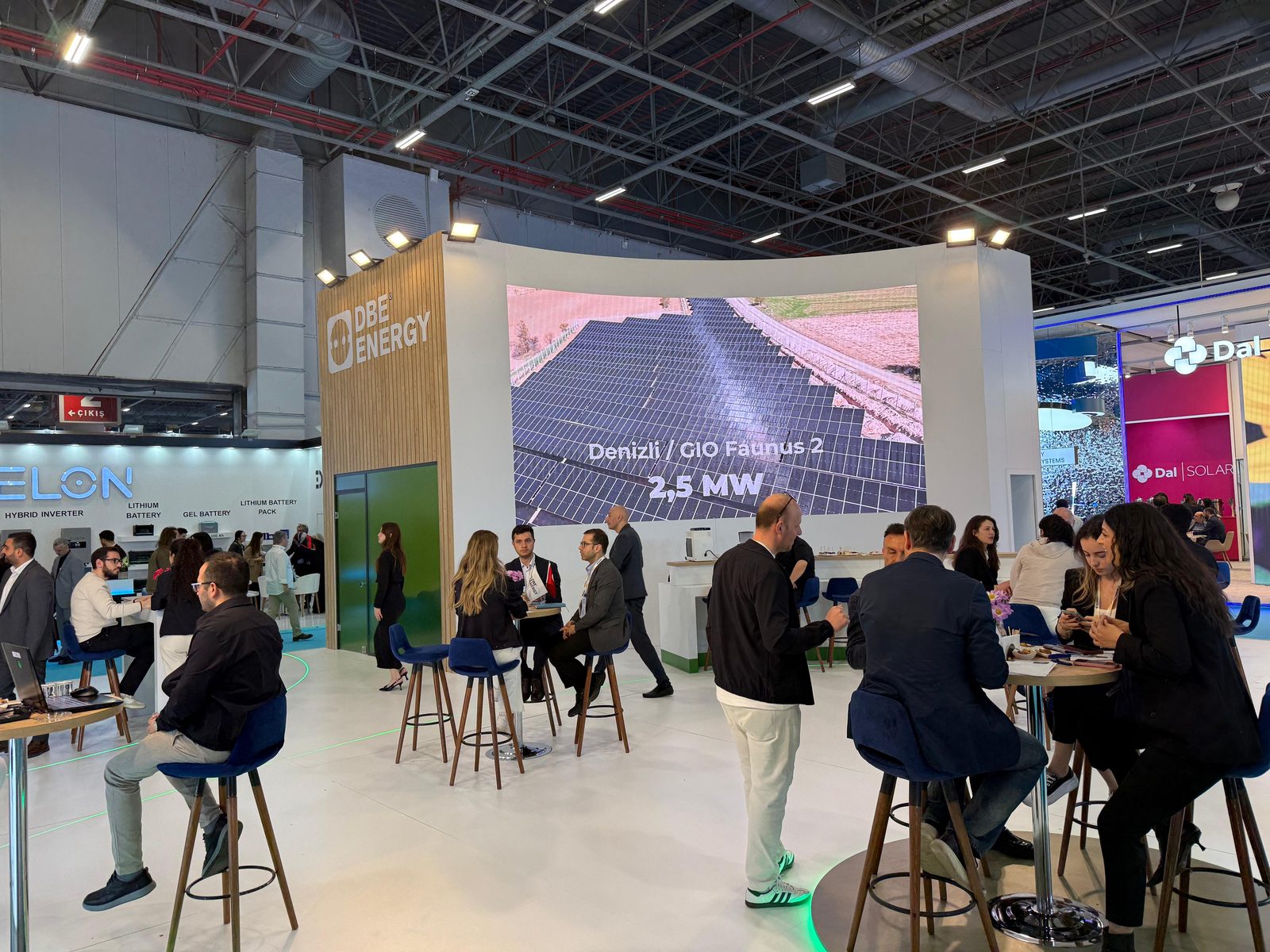
As DBE Energy, we met with representatives of the solar energy sector at the SolarEX 2026 Fair held in April.
Industry fairs are important platforms where companies, investors, suppliers and engineers working in renewable energy come together in the same setting. For us, SolarEX 2026 was a valuable gathering for sharing our experience with industry professionals and laying the groundwork for new partnership opportunities.
The industry's meeting point
Solar energy is a sector that requires many different areas of expertise to come together, from panels to inverters, from mounting structures to monitoring software, and from engineering to finance. Bringing a plant to life depends on investors, project developers, equipment manufacturers, installation teams and operation and maintenance service providers working in harmony. By bringing the different links of this chain together in a short time, fairs make it easier to build and strengthen relationships.
This is where the advantage of meeting face to face stands out. Being able to discuss a project's technical requirements, an investor's expectations or the scope of a service directly speeds up the building of mutual trust. Brief conversations that start at the stands are often the first step toward contacts that can later turn into more detailed talks and concrete projects.
Fairs also serve as a mirror reflecting the sector's agenda. Topics such as developments in panel technologies, energy storage solutions, digital monitoring systems and investment models are discussed together by different sector representatives in such settings. Discussing these topics on common ground helps build a better understanding of trends in the sector.
Another function of fairs is to bring newcomers to the sector together with experienced players in the same setting. Engineering students, newly founded companies and investors turning to energy from other sectors get the chance to see up close how the sector works. These encounters also play a nourishing role for the sector's human resources and know-how, and lay the groundwork for passing experience on to new generations.
Sharing our experience
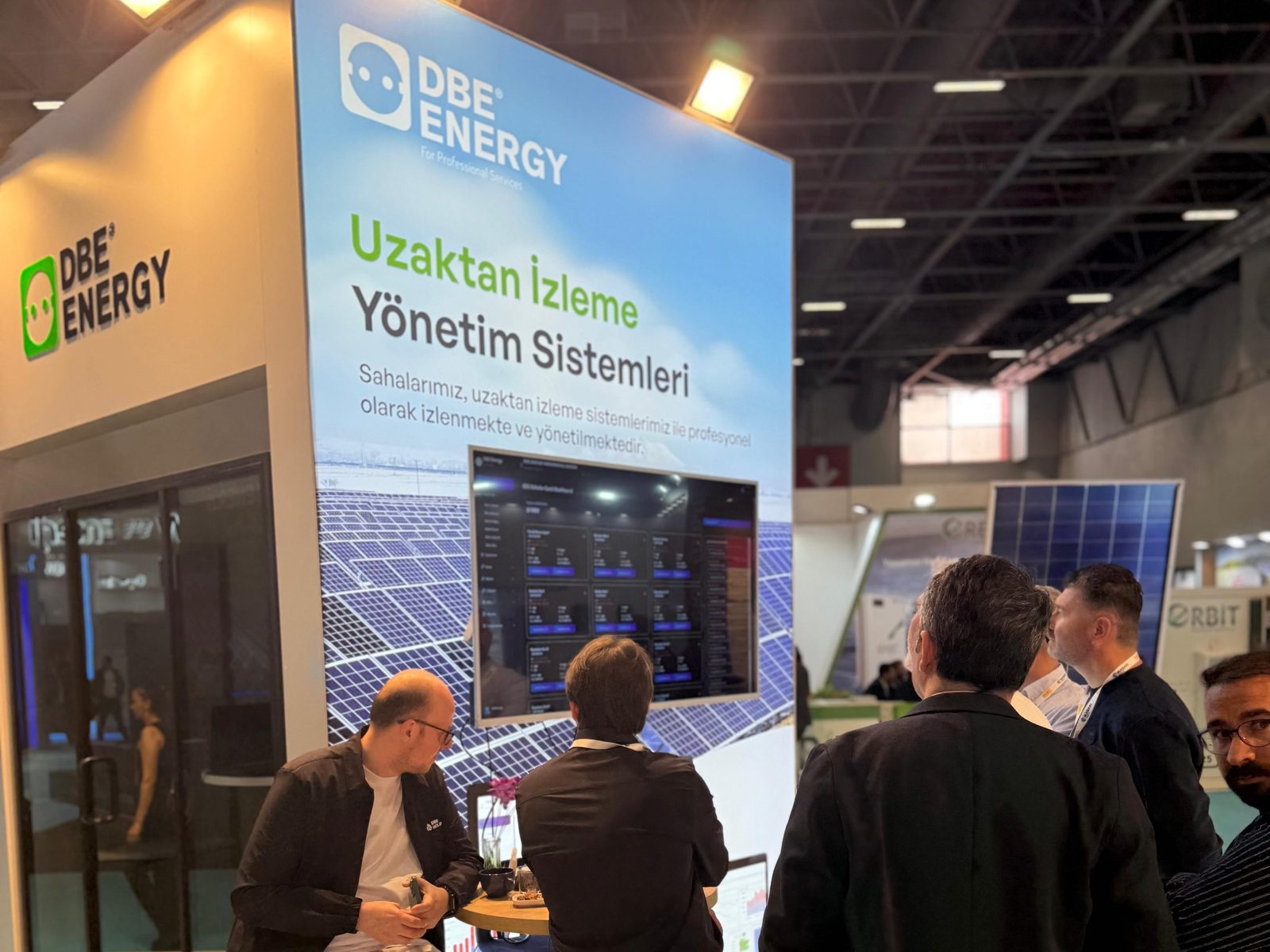
We had the opportunity to share our engineering experience in renewable energy, our solutions for energy investments and our operation and maintenance services with industry professionals. Our stand became a meeting point where we discussed these topics with sector representatives.
The topics we shared correspond to different stages in the life cycle of a solar power plant. Engineering relates to the design and implementation stages of a project; solutions for energy investments relate to planning and realizing an investment; and operation and maintenance relates to the long period after the plant starts generating.
Addressing these stages together offers investors a holistic view. Knowing how decisions made in design play out during operation makes better design possible, while understanding the logic of the design makes more effective operation possible.
In solar energy projects, different stages can be carried out by different companies; in that case, however, the transfer of information between stages becomes critical. If the reasoning behind design decisions, changes made during installation and test results do not fully reach the operations team, managing the plant can become difficult. That is why a perspective that covers the entire life cycle is an important source of assurance for investors.
An engineering and investment perspective
In solar energy projects, engineering covers a wide range, from site assessment and equipment selection to layout design and electrical design. The decisions made at this stage largely determine how efficiently the plant will generate for years to come. Engineering experience is valuable for anticipating the conditions that may be encountered on site and reflecting them in the design.
In energy investments, predictability is one of the things investors value most. A technically sound project setup, a well-planned implementation process and a realistic presentation of generation expectations are the key elements that support an investment decision.
Engineering quality is also decisive on the financing side. When evaluating a project, investors and lenders consider the soundness of the design, the reliability of the selected equipment and the realism of generation forecasts. A technically well-prepared project helps the investment decision be made more soundly and the process move forward more predictably.
The fair setting offers a platform where these topics can be discussed with different stakeholders. A question asked by an investor, product information shared by a supplier or an observation from the field relayed by an engineer makes it possible to look at projects from different angles. This multifaceted perspective helps build projects on more solid foundations.
The value of operation and maintenance
Operation and maintenance services focus on the period that begins after the plant is commissioned and makes up the longest part of its life cycle. Remote monitoring of plants, planned maintenance, fault response and performance reporting are activities that require continuity for the investment to deliver its expected return.
A plant's generation performance is not limited to its condition on the day it was commissioned. Panel soiling, equipment wear, communication problems or environmental factors can reduce generation over time. Detecting and eliminating these factors early is decisive for the plant to maintain the generation level foreseen in its design.
Digital monitoring systems are one of the key tools of operation and maintenance. Continuous tracking of generation, irradiation and equipment data from the plants makes it possible to quickly notice deviations from expected performance. This data helps direct field teams to the right spot and shape maintenance plans around actual needs. Data accumulated during the operating period also guides the design of future projects.
That is why operation and maintenance is a service area that protects the long-term value of the investment for plant owners. Sharing our services in this area at the fair was also meaningful in highlighting the weight of the operating period in the success of an investment.
New partnerships
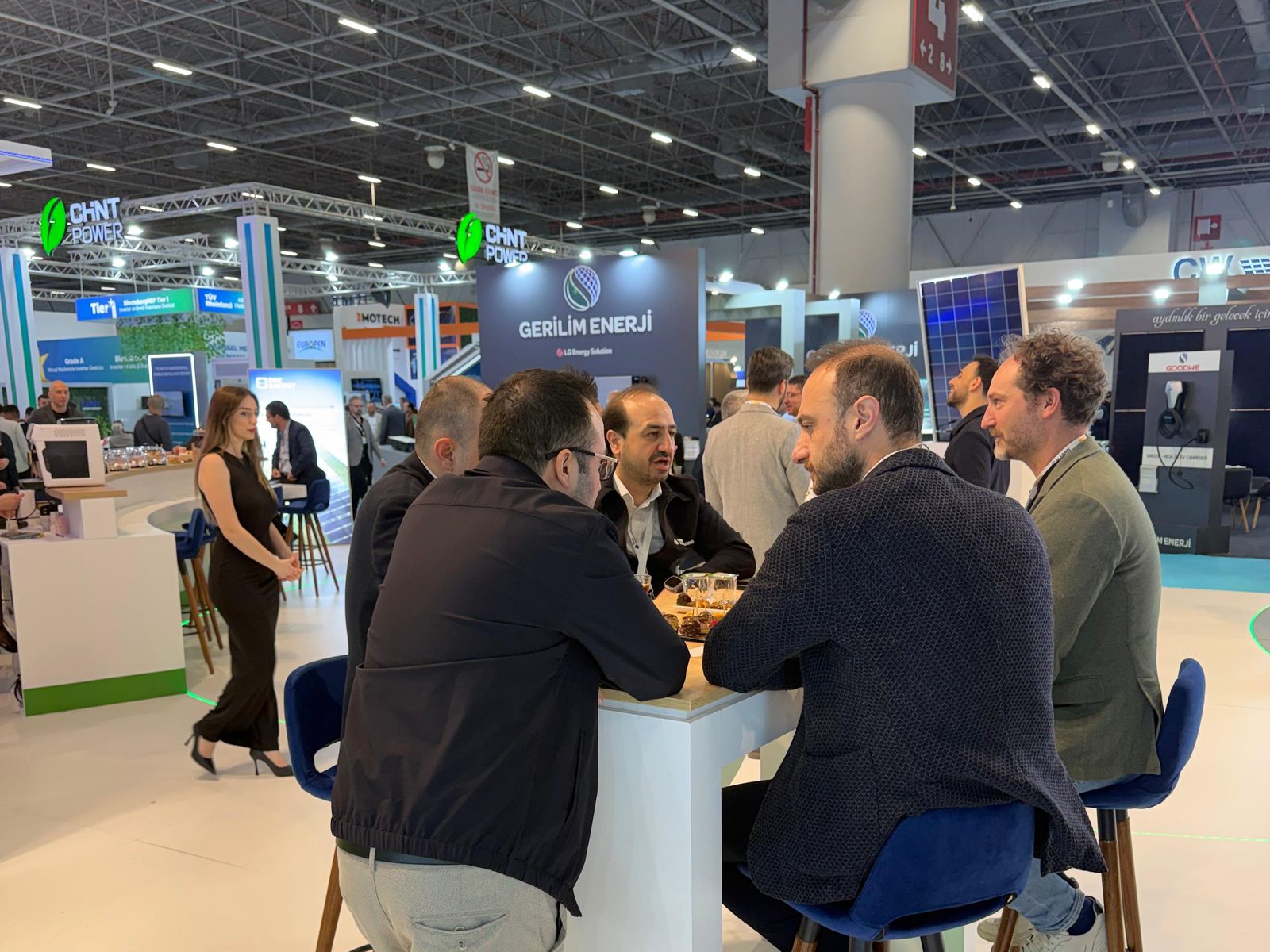
Through our work supporting the sustainable energy transition, we continue to contribute to the development of the sector and create new partnership opportunities. Our meetings at SolarEX 2026 also provided a setting where we connected with sector representatives in line with this goal.
Partnerships in solar energy can take different forms. Relationships with equipment suppliers support quality and continuity of supply in projects, while partnerships with investors lay the groundwork for new projects. Long-term service relationships with plant owners mean that facilities receive reliable support during their operating period. Partnerships between engineering and service companies bring different areas of expertise together in the same project.
Trust and mutual benefit lie at the heart of such partnerships. The fair setting offers a productive start for the parties to get to know each other's capabilities and approaches. Contacts made turning into concrete projects over time is part of the natural development of relationships in the sector.
The value of partnerships in solar energy is also linked to the long-lived nature of projects. Since a plant will generate for many years, relationships between investors, suppliers and service providers often extend beyond a single project. That is why trust-based, lasting relationships in the sector create more enduring value than short-term gains.
The sustainable energy transition
Increasing the share of renewable energy sources in electricity generation is one of the core goals of the energy transition. Solar energy is among the leading components of this transition because it is an inexhaustible source, can be applied at different scales and produces no direct emissions during generation. This flexibility, ranging from rooftop systems to large-scale ground-mounted plants, makes solar energy accessible to different user groups.
The healthy progress of this transition does not depend solely on building new plants. Ensuring that installed plants run efficiently for many years, are operated in harmony with the grid and that technological advances are properly reflected in projects is just as important as new capacity. That is why sharing experience in engineering, implementation and operation with the sector contributes to the quality of the transition.
The energy transition is a process that moves forward through the joint efforts of different stakeholders. Dialogue between the public sector, the private sector, the financial world and technology providers makes it easier to bring new projects to life and operate existing plants more efficiently. Industry fairs are among the settings where this dialogue takes place face to face and different perspectives meet at the same table.
Meeting with sector representatives at SolarEX 2026 meant being in the same setting as stakeholders contributing to this shared goal. We aim to turn the contacts we made at this gathering into new partnerships that will contribute to the sustainable energy transition.